Introduction: Choosing the Right PDC Bit Body Is a Business Decision
For drilling professionals, selecting a PDC bit is never just about cutters. While cutter quality is critical, the bit body material—matrix body or steel body—often determines whether a run is profitable or problematic.
In the U.S. drilling market, especially across oil & gas, water well, HDD, and geothermal applications, the debate between matrix body PDC bits and steel body PDC bits remains one of the most searched and discussed topics. Dealers want fewer returns. Contractors want longer runs. Operators want predictable performance.
So which one is right for your operation?
This guide breaks down the real-world differences between matrix body and steel body PDC bits, when each performs best, and why more drilling professionals are choosing matrix body designs for challenging formations.
What Is the Difference Between Matrix Body and Steel Body PDC Bits?
At a glance, both bit types may look similar. The difference lies beneath the surface.
Steel Body PDC Bits
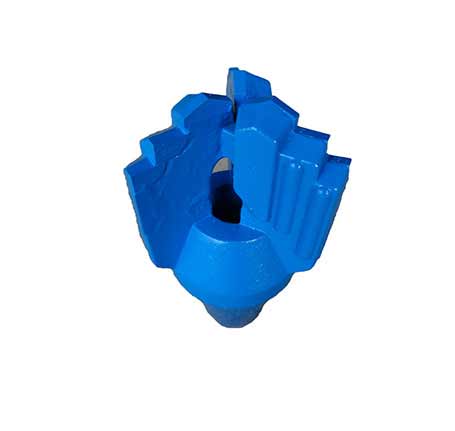
Steel body PDC bits are manufactured from alloy steel and then machined to shape. After machining, PDC cutters are brazed into the bit body.
Key characteristics:
High toughness and ductility
Easier and faster to manufacture
Lower initial cost
Easier to repair and rebuild
Matrix Body PDC Bits
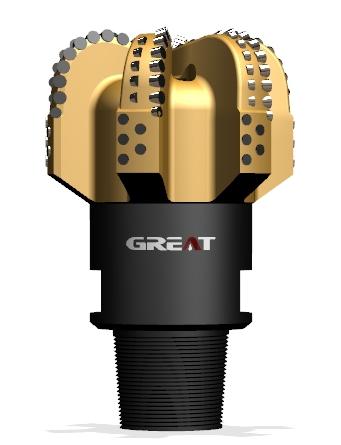
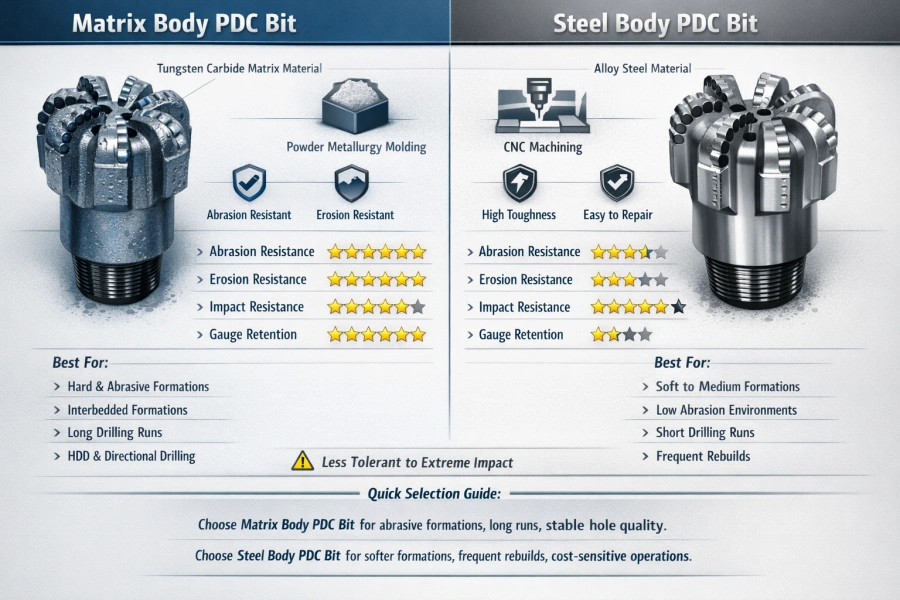
Matrix body PDC bits are manufactured using a powder metallurgy process, typically with tungsten carbide-based matrix material. The body is molded rather than machined.
Key characteristics:
Extremely high abrasion resistance
Excellent gauge retention
Superior erosion resistance
More complex manufacturing process
Side-by-Side Comparison: Matrix Body vs Steel Body PDC Bits
| Feature | Matrix Body PDC Bit | Steel Body PDC Bit |
| Abrasion resistance | ★★★★★ | ★★★ |
| Impact resistance | ★★★★ | ★★★★★ |
| Erosion resistance | ★★★★★ | ★★★ |
| Gauge wear control | Excellent | Moderate |
| Repairability | Limited | Easy |
| Initial cost | Higher | Lower |
| Ideal formations | Hard, abrasive, interbedded | Soft to medium |
This table highlights a key truth: there is no “better” bit—only a better bit for a specific application.
Why Matrix Body PDC Bits Excel in Hard and Abrasive Formations
Matrix body PDC bits are designed for formations where abrasion, erosion, and gauge wear are the primary causes of failure.
1. Superior Abrasion Resistance
The tungsten-carbide matrix material resists wear far better than steel. In formations such as:
matrix body bits maintain their cutting structure longer, preserving ROP over extended runs.
2. Exceptional Gauge Retention
Gauge wear is one of the most common reasons for early bit pull. Matrix body designs:
This is particularly important for HDD and directional drilling where hole integrity matters.
3. Reduced Erosion from High-Flow Hydraulics
High flow rates are often required to cool cutters and clean cuttings. Matrix bodies resist hydraulic erosion far better than steel, especially around:
Nozzle areas
Junk slots
Blade edges
Where Steel Body PDC Bits Still Make Sense
Despite the advantages of matrix body designs, steel body PDC bits remain a valid choice in certain conditions.
Ideal applications for steel body PDC bits:
Soft to medium formations
Low-abrasion environments
Projects with frequent bit rebuilds
Cost-sensitive drilling programs
Steel body bits also tolerate impact loading better in some cases, making them suitable for formations with unpredictable shocks but limited abrasion.
The Cost Question: Is a Matrix Body PDC Bit Worth the Investment?
One of the most common questions from U.S. dealers and contractors is:
“Why should I pay more for a matrix body PDC bit?”
The answer lies in cost per foot drilled, not purchase price.
Matrix Body ROI Factors:
Longer run length
Fewer bit trips
Reduced downtime
Stable ROP over time
In abrasive formations, a steel body bit may drill faster initially but lose gauge or cutters early—resulting in higher overall cost.
Common Failure Modes—and How Matrix Body Designs Reduce Risk
1. Gauge Wear
Matrix material significantly slows gauge erosion, maintaining hole size longer.
2. Hydraulic Erosion
Matrix bodies withstand aggressive hydraulics without washing out critical areas.
3. Uneven Cutter Wear
Stable blade profiles reduce vibration and cutter overload.
Important note: While matrix bodies resist wear exceptionally well, they rely on proper parameter control to avoid impact-related damage.
How Manufacturing Quality Impacts Matrix Body Performance
Not all matrix body PDC bits are created equal.
Key manufacturing factors include:
Powder composition consistency
Mold accuracy
Cutter pocket positioning
Quality control during sintering
Poor manufacturing can lead to:
Internal voids
Weak cutter support
Premature body cracking
This is why supplier selection is critical for distributors and operators alike.
Why Many U.S. Distributors Choose GreatDrillbit Matrix Body PDC Bits
GreatDrillbit manufactures matrix body PDC bits specifically for U.S. drilling conditions, with a focus on durability, consistency, and supply reliability.
Key Advantages:
High-density tungsten carbide matrix
Optimized blade profiles for stability
Premium PDC cutters with strong thermal resistance
Consistent gauge protection design
Customization for HDD, oil & gas, and water well applications
View product specifications:
Matrix Body PDC Bit GM1605T - Cangzhou Great Drill Bits Co.,Ltd.
How to Choose Between Matrix and Steel Body PDC Bits
Ask yourself the following questions:
Is the formation abrasive or interbedded?
Is gauge retention critical to project success?
Are long drilling runs expected?
Is downtime more costly than upfront bit price?
If the answer is “yes” to most of these, a matrix body PDC bit is likely the smarter choice.
Final Thoughts: Matching Bit Body to Your Drilling Reality
Choosing between a matrix body and steel body PDC bit is not about brand loyalty or tradition—it’s about matching tool design to drilling reality.
Matrix body PDC bits deliver:
For U.S. dealers, contractors, and operators focused on reducing total drilling cost and improving consistency, matrix body designs have become a strategic choice rather than a premium option.
GreatDrillbit matrix body PDC bits are engineered to meet these demands—giving your operation the confidence to drill longer, safer, and more efficiently.
 English
 français
 Deutsch
 Español
 italiano
 русский
 português
 العربية
 tiếng việt
 ไทย
ไทย Nederland