Introduction: Why Drill Bit Selection Matters
Choosing between a roller cone bit and a PDC bit directly affects drilling speed, footage per run, bit life, tripping frequency and total project cost. A bit that appears less expensive at the purchasing stage may create higher costs if it drills fewer feet, causes more vibration or requires frequent replacement.
Roller cone bits and PDC bits are two of the most widely used technologies in oil and gas drilling, water-well construction, mining, geothermal projects, horizontal directional drilling, tunneling and foundation engineering. Roller cone bits use rotating cones to crush, chip and gouge rock, while PDC bits use fixed diamond cutters to shear the formation.
Neither bit type is the best choice for every project. Formation strength, abrasiveness, interbedding, drilling parameters, hydraulic capacity, rig configuration and project economics must all be considered. For drilling contractors and procurement teams, the most important question is not simply “Which bit is better?” but “Which bit can deliver the best overall cost per foot in this formation?”
What Is a Roller Cone Bit?
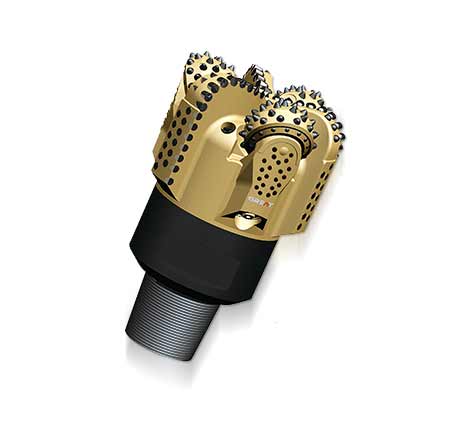
A roller cone bit is a mechanical drilling tool that uses two or three rotating cones to break rock. Its design is particularly valuable in formations where crushing and impact action provide better stability than continuous shearing.
How Does a Roller Cone Drill Bit Work?
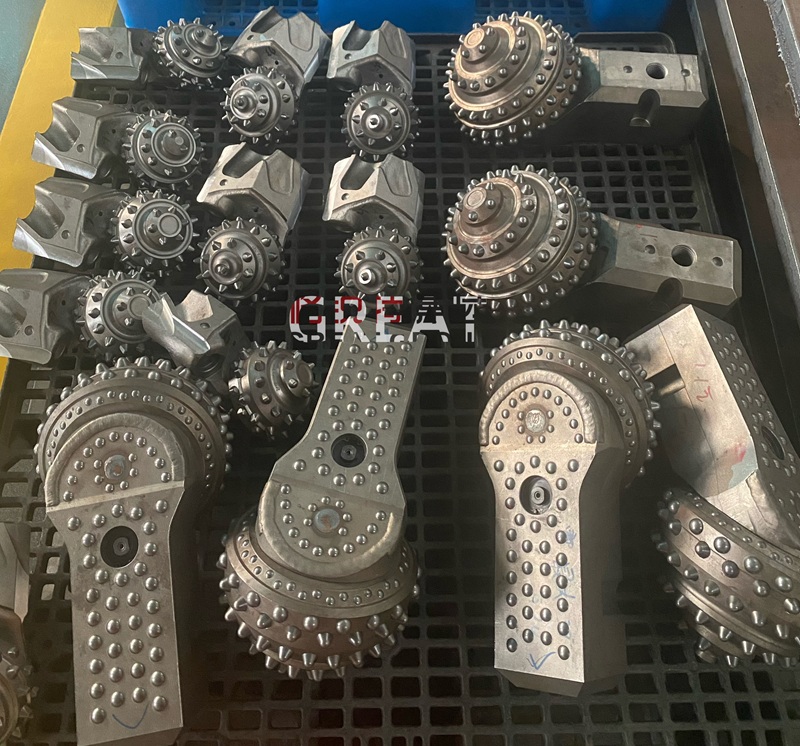
As the drill string rotates, each cone rotates around its own axis. The teeth or inserts on the cones contact the formation and apply compressive and impact forces. Depending on the cutting structure, the rock is crushed, chipped, gouged or scraped away.
Milled-tooth bits have steel teeth machined directly into the cone surface. TCI roller cone bits use tungsten carbide inserts that are pressed into the cones. The bearing and seal system supports cone rotation while protecting internal components from drilling fluid, abrasive solids and cuttings.
Hydraulics also have an important role. Proper nozzle size and flow rate help remove cuttings from the bottom of the hole, cool the cutting structure and reduce recutting. Tooth profile, cone offset, insert placement, bearing type and gauge protection must be selected according to the formation and drilling parameters.
GREAT supplies application-specific roller cone bit solutions for different hole sizes, formations and operating conditions.
What Are the Main Types of Roller Cone Bits?
The two most common roller cone designs are milled-tooth and tungsten carbide insert bits. Milled-tooth bits are generally associated with softer formations because their steel teeth can provide an aggressive gouging and scraping action. They may be suitable for soft shale, clay, soft limestone and selected water-well or construction projects.
TCI roller cone bits are often considered for medium-hard, hard and abrasive formations. The insert shape, grade, exposure and row arrangement determine how the bit responds to compression, abrasion and impact. A TCI configuration designed for competent limestone may perform differently in fractured sandstone or highly interbedded ground.
Bearing design is another important consideration. Sealed-bearing and journal-bearing systems may be selected according to RPM, WOB, expected run length, mud properties and downhole temperature. The bit should therefore be engineered as a complete system rather than selected only by nominal diameter.
Where Are Roller Cone Bits Commonly Used?
Roller cone bits are used in oil and gas wells, water wells, mining, geothermal drilling, construction holes and pile foundations. They are especially useful where the formation changes frequently or contains hard streaks, fractures and impact-prone zones.
In water-well and foundation drilling, the preferred design may also depend on whether the rig uses air, foam, water or drilling mud circulation. The drilling contractor should evaluate formation conditions and available equipment together before choosing the tooth or insert configuration.
What Is a PDC Bit?
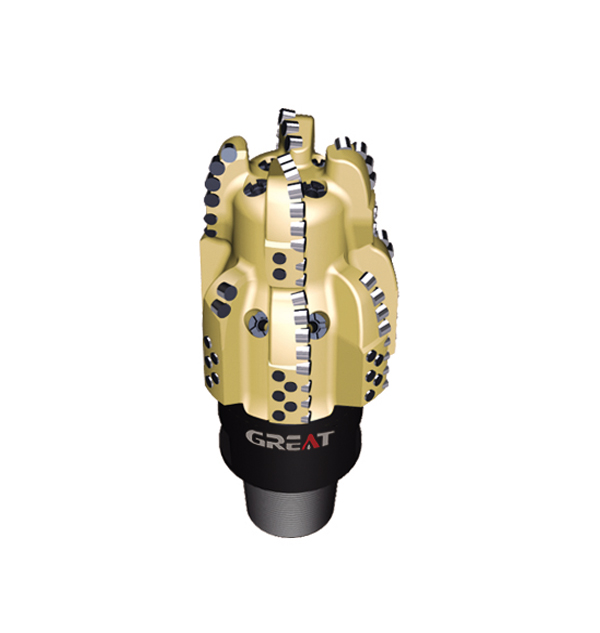
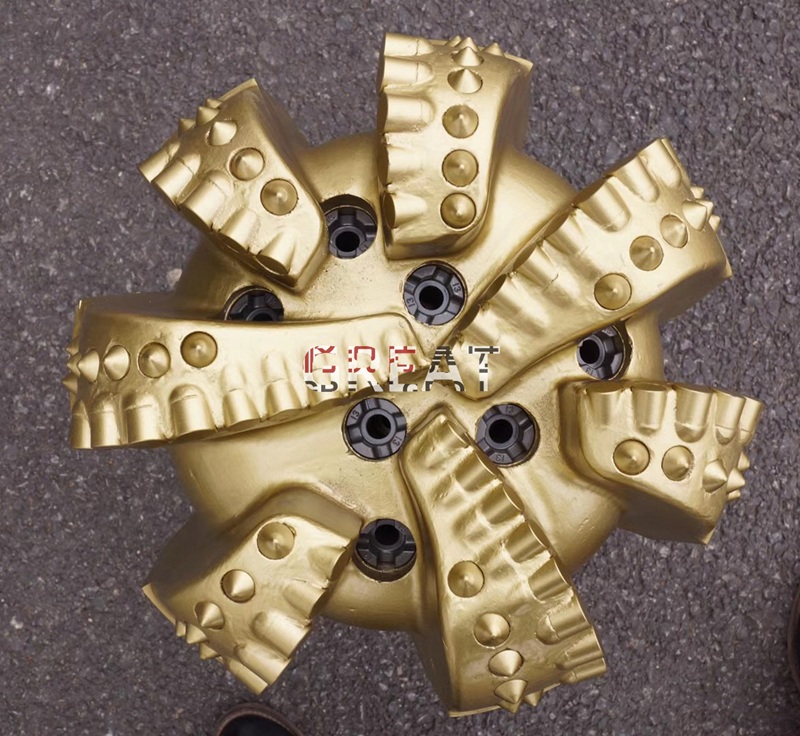
A PDC bit is a fixed-cutter drill bit that removes rock through a continuous shearing action. Because it has no rotating cones or internal bearings, it can provide long drilling intervals when the formation and operating window are suitable.
How Does a PDC Drill Bit Work?
PDC cutters consist of a synthetic diamond layer bonded to a tungsten carbide substrate. The cutters are installed on blades at carefully selected back-rake and side-rake angles. As the bit rotates, the cutters shear a controlled depth of rock from the bottom of the hole.
PDC performance depends on cutter size, cutter density, blade count, body material, gauge protection and hydraulic design. Drilling fluid must cool the cutters and carry cuttings away from the bit face. Poor cleaning can lead to recutting, excessive torque and thermal damage.
The design must also match the rig. A PDC bit may require a particular RPM, WOB, torque range and flow rate. If the rig cannot maintain those conditions, the bit may not deliver its expected performance.
What Are the Main Advantages of PDC Bits?
In soft to medium and selected interbedded formations, PDC bits can provide high ROP, long drilling intervals and fewer trips. Their fixed-cutter design eliminates bearing-related failure modes and may produce a smoother drilling response than an impact-based bit.
These advantages are particularly valuable in shale drilling, directional wells and long sections where tripping time represents a significant portion of the drilling cost. However, PDC technology is not automatically superior in every formation. Severe impact, abrasive minerals, coarse hard stringers, poor hole cleaning and unstable drilling parameters can accelerate cutter wear or cause cutter damage.
GREAT’s PDC bit product range can be evaluated for oilfield, water-well, mining and other industrial drilling applications.
Where Are PDC Bits Commonly Used?
PDC bits are widely used in oil and gas drilling, shale formations, directional drilling, geothermal wells and selected mining applications. They are particularly attractive when the formation is relatively homogeneous and the project benefits from high ROP and longer runs.
For HDD and directional applications, the PDC bit may be combined with a downhole motor, depending on the steering method, torque requirement and drilling assembly.
Roller Cone Bit vs PDC Bit: Key Differences
The main difference between the two technologies is how they transfer energy into the formation. Roller cone bits use rotating cones and compressive impact, while PDC bits use fixed cutters and shearing. This fundamental difference affects ROP, vibration, wear mechanisms and formation compatibility.
| Factor | Roller Cone Bit | PDC Bit |
|---|
| Cutting mechanism | Crushing, chipping and gouging | Continuous shearing |
| Main structure | Two or three rotating cones | Fixed blades and diamond cutters |
| Soft formations | Good with suitable tooth design | Often excellent when compatible |
| Medium formations | Good to very good | Often very good |
| Hard formations | TCI designs are commonly used | Requires specialized design |
| Abrasive formations | Often suitable with correct inserts | Requires wear-resistant cutters |
| ROP potential | Moderate to high | High in suitable formations |
| Moving components | Cones, bearings and seals | No rotating cones or bearings |
| Vibration response | Often tolerant of impact | Highly dependent on design and parameters |
| Initial purchase price | Often lower | Often higher |
| Best selection factor | Mechanical reliability and formation variability | Formation compatibility and efficiency |
This table provides a general comparison only. Actual field performance depends on rock properties, drilling parameters, hydraulics, bit design and operating discipline.
Roller Cone vs PDC Bit: Performance Comparison
The performance difference between a roller cone bit and a PDC bit becomes clear when ROP, durability and vibration are evaluated together. A bit that performs well in one formation may be unsuitable in another.
Which Bit Provides a Higher Rate of Penetration?
PDC bits often provide higher ROP in soft to medium, homogeneous formations because the cutters continuously shear the rock. A stable combination of RPM, WOB, torque and hydraulic flow can allow the bit to drill long intervals efficiently.
Roller cone bits can achieve competitive ROP when crushing and gouging are more effective than shearing. This may occur in formations with hard streaks, variable strength or frequent transitions. In such conditions, a PDC bit may experience torque fluctuations or cutter damage that reduces its average drilling performance.
ROP should always be measured together with footage per run, tripping time, hole quality and dull condition. A bit that achieves high initial ROP but must be replaced shortly afterward may not be the most productive choice.
Which Bit Has Better Durability?
Roller cone and PDC bits experience different types of wear. Roller cone failure may involve tooth or insert wear, bearing degradation, seal damage, gauge wear or cone retention issues. TCI inserts can improve wear resistance, but the insert geometry must still match the impact and abrasive conditions.
PDC bits eliminate bearing-related failure modes, but the cutters may experience abrasive wear, thermal degradation, chipping or impact breakage. A higher cutter density can distribute wear, while a more aggressive design may improve ROP but increase torque and impact sensitivity.
In interbedded or highly variable formations, a staged drilling strategy may be more economical than using the same bit technology throughout the entire interval.
Which Bit Performs Better Under High Vibration?
Drilling vibration can appear as stick-slip, bit bounce, lateral whirl or torsional oscillation. Roller cone bits often tolerate intermittent impact and formation transitions because their cutting action includes crushing. However, severe vibration can still damage teeth, bearings, seals and gauge components.
PDC bits may drill smoothly in a stable formation, but an aggressive fixed-cutter layout can react strongly to hard stringers. Cutter back rake, blade arrangement, depth-of-cut control, WOB, RPM, motor settings and hydraulic cleaning all influence vibration.
Real-time torque and vibration data should be used to adjust operating parameters. Bit selection and vibration management should be treated as complementary parts of the same drilling strategy.
Roller Cone Bit vs PDC Bit Cost Comparison
The purchase price is only one part of the economic calculation. The more meaningful comparison is the total cost required to drill a specific interval.
Is a PDC Bit More Expensive Than a Roller Cone Bit?
A PDC bit is often more expensive because it may use premium diamond cutters, reinforced bodies and application-specific engineering. A roller cone bit may have a lower initial price, but it may require more frequent trips if the formation causes rapid tooth, insert or bearing wear.
For procurement teams, the correct comparison should include bit price, expected footage, drilling speed, trip time, replacement frequency, repair options and rig operating cost.
How Does Cost per Foot Affect Bit Selection?
A practical formula is:
Cost per foot = Total bit-related drilling cost ÷ Footage drilled
Total bit-related cost may include the bit purchase price, trip time, rig operating cost during replacement, inspection, transportation, repair and lost production.
A premium PDC bit may be economically attractive if it drills a long interval with one trip. A roller cone bit may be more cost-effective when the formation is fractured, abrasive or highly variable. Offset-well data should be used whenever possible, including ROP, footage per run, WOB, RPM, torque, flow rate, dull grade and pull reason.
Why the Cheapest Drill Bit May Not Be the Lowest-Cost Option
Every unplanned trip consumes valuable rig time. A low-priced bit that drills only half the expected footage may create a higher cost per foot than a more expensive design with better run length.
At the same time, selecting an advanced PDC bit for a formation with severe impact or abrasive minerals may create unnecessary cutter damage. The best commercial decision is the design that delivers the required reliability, footage and hole quality at the lowest total drilling cost.
When Should You Choose a Roller Cone Bit?
Roller cone technology remains highly relevant because it offers a robust mechanical solution for difficult and changing formations. The decision should be based on the expected failure mechanism and the drilling system’s operating limits.
Choose a Roller Cone Bit for Challenging or Variable Formations
A roller cone bit may be appropriate when the formation contains hard stringers, abrasive layers, fractured zones or frequent lithology changes. Its crushing and gouging action can provide a wider operating margin where continuous shearing is difficult to maintain.
Roller cone bits may also be preferred when previous bit records show predictable performance, when impact resistance is a priority or when the rig is better suited to conventional rotary drilling parameters.
When Are TCI and Milled-Tooth Bits Appropriate?
TCI bits are commonly evaluated for medium-hard, hard and abrasive formations. Insert shape, grade, exposure and row arrangement should be selected according to the formation and expected WOB/RPM.
Milled-tooth bits can be effective in softer formations where long steel teeth efficiently gouge and scrape the rock. Tooth profile, offset and hardfacing should be matched to formation abrasiveness and drilling speed.
When Should You Choose a PDC Bit?
PDC technology is often a strong option when high drilling efficiency and long continuous runs are more important than the lowest initial purchase price.
Choose a PDC Bit for Compatible Formations
PDC bits are frequently considered for soft to medium shale, sandstone, limestone and other formations that support stable shearing. They are especially attractive for long intervals, high-RPM systems and directional wells where fewer trips can improve schedule certainty.
The bit should be selected together with the rig’s torque, RPM and hydraulic capabilities. A PDC design cannot perform efficiently if the drilling system cannot maintain the required operating window.
When Can a PDC Bit Reduce Drilling Costs?
A PDC bit may reduce drilling costs when higher ROP reduces drilling hours and longer bit runs reduce tripping frequency. These benefits depend on cutter life, hole cleaning, vibration control and operating discipline.
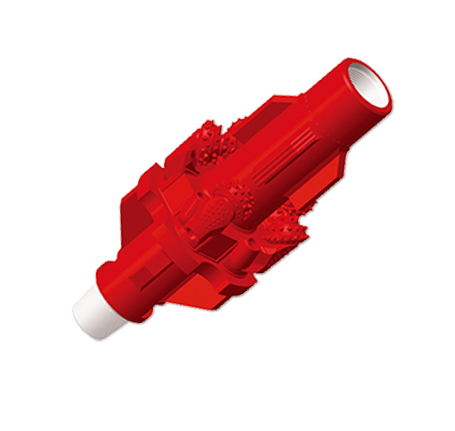
For hole enlargement and reaming work, GREAT also provides PDC hole openers and PDC reamers.
How to Choose Between a Roller Cone Bit and a PDC Bit
The most reliable selection process combines geological information, drilling data and project economics. A catalogue description alone is rarely sufficient for a demanding B2B drilling application.
Evaluate Formation Type Before Choosing the Bit
Formation strength is important, but it is not the only geological factor. Abrasiveness, interbedding, fractures, hard stringers, natural transitions and formation instability can have an equally significant effect on bit life.
Previous bit records and dull-condition reports are often more valuable than a general formation name. They help identify whether the dominant problem is abrasion, impact, thermal wear, vibration or bearing failure.
Match the Bit to Actual Drilling Parameters
The selected bit must match the rig’s available WOB, RPM, torque, hydraulic flow, pressure drop and mud properties. A design based on an ideal operating window may underperform if the rig cannot deliver those conditions consistently.
Hydraulic cleaning should receive particular attention because both roller cone and PDC bits depend on effective removal of cuttings from the bottom of the hole.
Confirm Rig and Application Compatibility
Rig horsepower, rotary-drive capacity, pump performance, downhole clearance and directional requirements all influence selection. For horizontal directional drilling, steering response and downhole motor compatibility may be as important as nominal ROP.
For mining applications, water-well drilling and tunneling projects, circulation method, access conditions, hole trajectory and ground stability should also be reviewed.
Compare Total Drilling Economics
A realistic comparison should consider expected footage, average ROP, trip time, replacement frequency, repair possibilities, downtime and hole-quality requirements. Conservative estimates are preferable to optimistic assumptions.
After each run, actual drilling data should be compared with the original expectation. This creates a continuous improvement process for selecting cutter density, tooth geometry, nozzle configuration and gauge protection.
Work With an Experienced Drill Bit Manufacturer
A qualified manufacturer can recommend more than a nominal bit size. Buyers should provide hole diameter, target depth, formation information, drilling application, previous bit records, WOB, RPM, torque, flow rate, mud or air system and expected footage.
GREAT was founded in 2010 and specializes in steel and diamond-material research, drill bit design and manufacturing. Its production base in Hejian, Hebei covers approximately 86,000 m² and supports drill bits from 3 to 36 inches, rock reamers from 8 to 72 inches and annual production capacity of more than 10,000 pieces.
Roller Cone Bit vs PDC Bit: Which One Is Better?
PDC bits are often preferred when high ROP and long drilling intervals are priorities in compatible formations. Roller cone bits remain valuable for hard, abrasive, fractured, heterogeneous and impact-prone formations where crushing action and mechanical reliability provide important advantages.
The best bit is not necessarily the most advanced or the least expensive. It is the bit that provides the most appropriate balance of footage, reliability, drilling speed, hole quality and total cost for the specific project.
Need Help Selecting the Right Drill Bit?
Choosing between a roller cone bit and a PDC bit depends on more than formation hardness alone. GREAT’s engineering and production teams can review your hole size, formation, drilling parameters, application and previous bit performance, then recommend a suitable cutter or tooth configuration.
Send your project information to request a technical recommendation, quotation and lead-time details for your drilling program. GREAT supports customized solutions for oil and gas, water wells, mining, HDD, tunneling and foundation applications.
 English
 français
 Deutsch
 Español
 italiano
 русский
 português
 العربية
 tiếng việt
 ไทย
ไทย Nederland