Knowing how to sharpen drill bits can extend tool life, improve hole accuracy and reduce drilling heat. However, different drill bits require different maintenance methods. A standard high-speed steel twist drill can often be sharpened in a workshop. PDC drill bits, tricone bits, roller bits, hole openers and rock reamers are engineered drilling systems that should not be sharpened with a conventional bench grinder.
GREAT has specialized in steel and diamond-material research, drill-bit design and manufacturing since 2010. With an 86,000 m² production base in Hejian, Hebei, GREAT supplies drilling tools for oil and gas, water-well drilling, mining, horizontal directional drilling, tunneling and pile foundation projects.
This guide explains how to sharpen common twist drill bits and how professional drilling-tool manufacturers evaluate larger industrial bits.
When Should You Sharpen a Drill Bit?
A standard drill bit may not fail suddenly. Its performance usually declines gradually. Sharpening may be appropriate when you notice:
The drill produces excessive heat.
More pressure is required to start or maintain a hole.
The drill squeals, chatters or smokes.
The hole becomes rough or oversized.
The cutting edges appear rounded or dull.
Chips become powdery, uneven or discolored.
The drill wanders instead of starting at the intended location.
Before sharpening, check the drilling conditions. Incorrect RPM, excessive feed pressure, poor clamping, insufficient lubrication, machine runout or unsuitable material can make a good drill appear dull.
Sharpening the bit without correcting the operating problem may cause the same failure to happen again.
Which Drill Bits Can Be Sharpened?
HSS and cobalt twist drills
HSS twist drills are the easiest tools to sharpen. If the flutes, shank and body are not cracked or bent, the cutting point can usually be re-ground several times.
Cobalt drills are harder and more heat-resistant, but they still require careful grinding. Excessive heat can damage their hardness and shorten service life.
Carbide-tipped and masonry drills
Carbide-tipped drills require a suitable diamond wheel and accurate control. Incorrect grinding can chip or crack the carbide insert. Specialty tools such as step drills, countersinks and reamers should normally be serviced with dedicated equipment.
PDC, tricone and industrial drilling tools
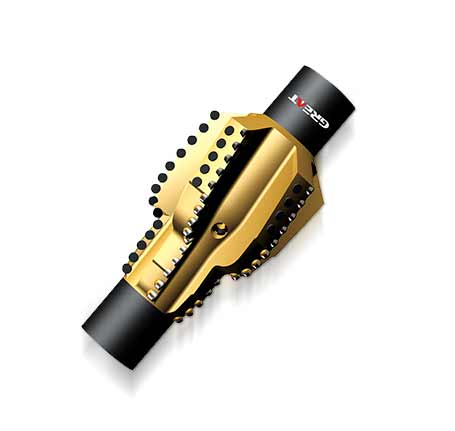
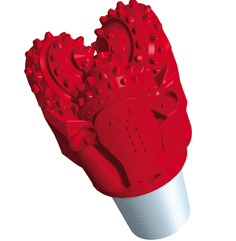
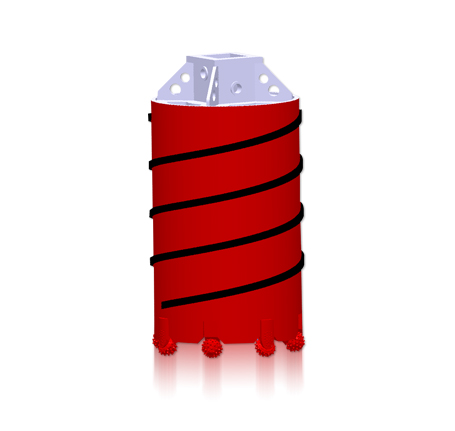
PDC bits, tricone bits, roller bits, hole openers and rock reamers should not be sharpened on a bench grinder.
These tools include engineered cutters, teeth, bearings, seals, hardfacing, nozzles, blades and gauge protection. Removing material from one area can change cutter exposure, hydraulic performance, balance or borehole size.
For industrial tools, the correct process is a professional dull-condition inspection.
Tools Required for Standard Drill Bit Sharpening
For a conventional twist drill, prepare:
A stable and guarded bench grinder.
A suitable grinding wheel.
Safety glasses and appropriate PPE.
A drill-point angle gauge.
Good lighting and, if possible, magnification.
A controlled cooling method.
A sample workpiece for testing.
The tool rest should be adjusted close to the grinding wheel. Inspect the wheel before use and follow all workshop safety procedures. Never use a damaged wheel or hold the drill in a way that could cause it to catch or twist unexpectedly.
How to Sharpen a Standard Twist Drill Bit
The objective is to restore two equal cutting lips, a centered chisel edge and sufficient relief behind each cutting edge.
1. Inspect the bit
Clean the drill and examine the shank, flutes and cutting point. Do not sharpen a drill that is cracked, bent, heavily corroded or badly damaged. Replacement is usually safer and more economical.
2. Confirm the point angle
Most general-purpose twist drills use a 118-degree included point angle. Many drills for harder steels use a 135-degree split point.
Use the original geometry as a reference. Changing the angle without considering the workpiece material can reduce drilling performance.
3. Position one cutting lip
Hold the drill so that one cutting lip is approximately horizontal and faces the grinding wheel. The shank should normally be slightly lower than the cutting edge so that clearance is created behind the lip.
4. Grind with light pressure
Touch the cutting lip lightly against the wheel. Use a controlled rolling or pivoting motion instead of holding the drill in one fixed position.
The cutting edge should remain sharp, while the material behind it is gradually lowered to form relief. Avoid heavy pressure because overheating can soften or discolor the HSS.
5. Sharpen the second lip
Repeat the same process on the opposite cutting lip. Both lips must have the same length and angle. If one lip is longer, the drill may wander and produce an oversized hole.
6. Inspect the point
Check the drill-point geometry carefully:
Both cutting lips should be equal.
The chisel edge should be centered.
The included angle should be consistent.
Relief should exist behind both lips.
The cutting edges should not be blue, burnt or rounded.
7. Test the drill
Use the correct RPM, feed and cutting fluid. A properly sharpened drill should start smoothly, produce balanced chips and create a round hole without excessive pressure.
If the drill pulls to one side, chatters or produces an oversized hole, inspect the symmetry again.
Choosing the Correct Drill Bit Point Angle
Point angle affects cutting force, centering, heat generation and tool life.
| Point angle or geometry | Typical application | Main benefit |
|---|
| 118-degree standard point | General drilling in mild steel, aluminum, wood and common materials | Balanced all-purpose performance |
| 135-degree split point | Stainless steel, harder steels and tough alloys | Better centering and reduced walking |
| Specialty geometry | Thin sheet, cast iron, composites and deep-hole drilling | Optimized for a specific material or operation |
The point angle is only one part of drill performance. Coating, coolant, machine rigidity, hole depth and feed rate are also important.
Common Drill Bit Sharpening Mistakes
Unequal cutting lips
This is the most common mistake. Unequal lips create unbalanced cutting forces, oversized holes and vibration.
Insufficient relief
A sharp edge cannot cut effectively if the area behind it rubs against the workpiece. Insufficient relief creates friction and heat.
Excessive grinding pressure
Heavy pressure can overheat the point and reduce tool hardness. Light, controlled contact is more effective.
Removing too much material
Over-grinding changes the drill geometry and reduces the available flute length. Remove only enough material to restore the cutting edge.
Sharpening damaged drills
A bent or cracked drill cannot be restored by normal sharpening. Structural damage requires replacement.
Sharpening industrial bits like workshop drills
PDC bits and tricone bits require a complete engineering evaluation. Manual grinding may permanently reduce their performance.
Why PDC and Tricone Bits Need Professional Inspection
Industrial drilling tools operate under high torque, weight-on-bit, vibration, hydraulic pressure and impact loads.
A PDC drill bit depends on cutter size, cutter exposure, blade profile, body material and hydraulic cleaning. A tricone bit depends on cone condition, teeth, bearings, seals and gauge protection.
When an industrial bit is pulled from the hole, the operator should record:
Drilled formation and lithology.
Bit size and model.
Hours on bottom.
Rate of penetration.
WOB and RPM.
Flow rate and drilling fluid.
Torque and vibration.
Photographs of the dull condition.
Any unusual drilling behavior.
This information helps identify whether the failure resulted from normal wear, impact damage, thermal damage, balling, poor cleaning, unsuitable parameters or an incorrect bit design.
GREAT can use this information to recommend repair, reconditioning, redesign or replacement.
GREAT Drill Bit Manufacturing and Technical Support
GREAT provides drilling tools from 3 to 36 inches and rock reamers from 8 to 72 inches. Our product range includes PDC bits, tricone bits, roller bits, downhole motors, PDC hole openers, Crocodile PDC reamers, raise boring cutters, diamond core bits and bi-center bits.
Our manufacturing capabilities include advanced turning-milling equipment, five-axis machining and specialized diamond-processing production lines. With an annual production capacity of more than 10,000 pieces, GREAT supports both standard and customized drilling-tool requirements.
For an industrial drilling tool, our technical evaluation considers:
Formation hardness and abrasiveness.
Borehole diameter and depth.
Rig or downhole motor capacity.
Drilling fluid and hydraulic requirements.
Desired penetration rate.
Cutter or tooth configuration.
Connection and BHA compatibility.
Expected service life and operating cost.
This engineering approach is more reliable than simply trying to sharpen a worn industrial bit.
Frequently Asked Questions
Can you sharpen a drill bit with a bench grinder?
Yes. Standard HSS and cobalt twist drills can often be sharpened with a properly adjusted and guarded bench grinder. The key requirements are equal cutting lips, the correct point angle and sufficient relief.
What angle should I use to sharpen a drill bit?
A 118-degree point is common for general-purpose drilling. A 135-degree split point is often used for harder steels and stainless steel. Always follow the drill manufacturer's recommended geometry.
How do I know if a drill bit is sharpened correctly?
Both cutting lips should be equal in length and angle. The chisel edge should be centered, and relief should exist behind each cutting edge. A test hole should be round and require normal drilling force.
Can PDC drill bits be sharpened?
PDC bits should not be sharpened with a standard grinder. Their cutters and hydraulic design require professional inspection and specialized reconditioning or replacement.
Can tricone bits be sharpened?
Tricone bits are not sharpened like twist drills. Teeth, cones, bearings, seals and gauge surfaces must be evaluated as a complete system.
When should a drill bit be replaced?
Replace a standard drill bit when it is cracked, bent, badly corroded or too short to maintain its original geometry. Industrial bits should be replaced or professionally reconditioned after a complete dull-condition evaluation.
Conclusion
Learning how to sharpen drill bits is useful for maintaining conventional HSS and cobalt twist drills. Correct sharpening requires a consistent point angle, equal cutting lips, centered geometry and adequate relief.
However, PDC bits, tricone bits, roller bits, hole openers and rock reamers are engineered drilling systems. Their performance depends on materials, cutting structures, bearings, hydraulics, body design and operating parameters. These tools should be evaluated by a qualified manufacturer rather than sharpened manually.
With its experience in steel and diamond-material research, advanced manufacturing facilities and application-specific engineering support, GREAT helps customers select and maintain drilling tools for oil and gas, water wells, mining, HDD, tunneling and foundation projects.
 English
 français
 Deutsch
 Español
 italiano
 русский
 português
 العربية
 tiếng việt
 ไทย
ไทย Nederland